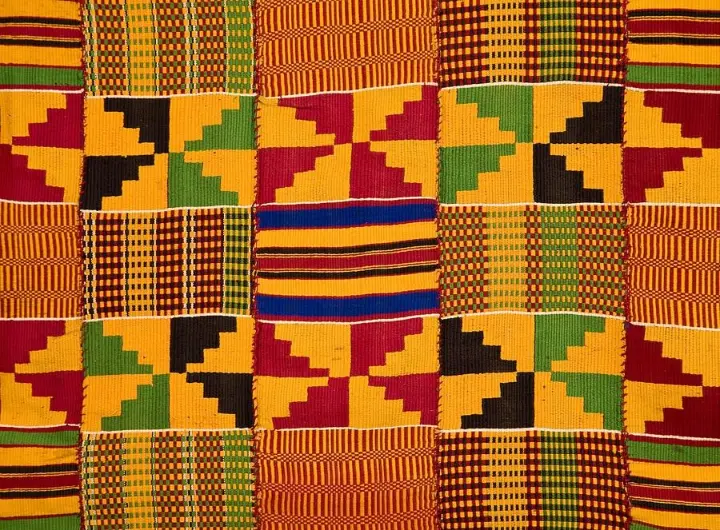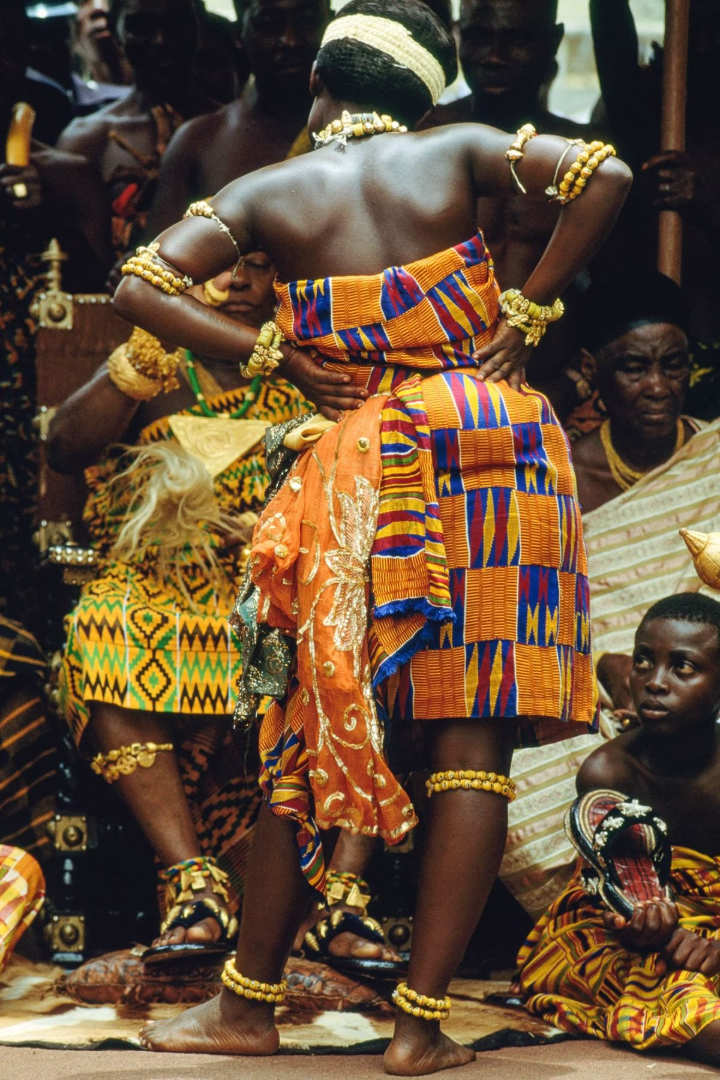
After a lengthy outcry by Ghanaian artisans and legal scholars, calling for the protection of the traditional Kente textiles within the global community, they have finally triumphed. The Kente is now legally protected through Geographical Indications of Intellectual Property, which means only textiles made in certain Ghanaian communities can be sold as authentic Kente. This initiative does not only safeguard the cultural significance of the fabric, but it also protects it against western imitations that have severely affected Ghana's economy in textile exports over the years.
For those who are unfamiliar with Kente, it is a traditional handwoven fabric indigenous to Ghana’s heritage. It is used for cultural representation and the embodiment of the history of the community it is associated with. There are about 20 variations of Kente designs, each one holding its own significance and meaning. Due to the global migration of Ghanaian people, the fabric managed to make its impact in the international arena. There are now many adaptations of Kente designs mixed with contemporary clothing in an attempt of adding Afrocentricity, especially in American pop-culture.
This sudden surge of Kente within the global community has been a great economic benefit to Ghana’s textile industries. In 1994 Kente and traditional Ghanaian textile exports contributed approximately $179.7 Million USD to Ghana’s gross domestic product (GDP). However, the Ghana Investment Promotion Centre has found that the mass production of Kente imitations by western countries has resulted in a consistent decline of the textile industry’s contribution to Ghana’s GDP. By 2011, Ghana’s traditional textiles only contributed about $53.5 Million USD, this is about 30% less than it did in 1994.
This Geographical Indication status seeks to address such issues, by recognizing Kente not merely as a fabric, but as a living emblem of Ghana’s cultural heritage and creative identity. The Geographical Indication status ensures that the artistry, craftsmanship, and symbolism woven into every authentic Kente cloth remain rooted in the hands of those who have preserved its legacy for centuries. Beyond protecting its economic value, this milestone affirms Ghana’s rightful ownership of its cultural expression on the world stage—paving the way for future generations of artisans to benefit from their heritage while reminding the global fashion industry of the importance of authenticity, respect, and cultural integrity.